


How to Detect a Gas Leak in Your Columbia Home (And What to Do Next)
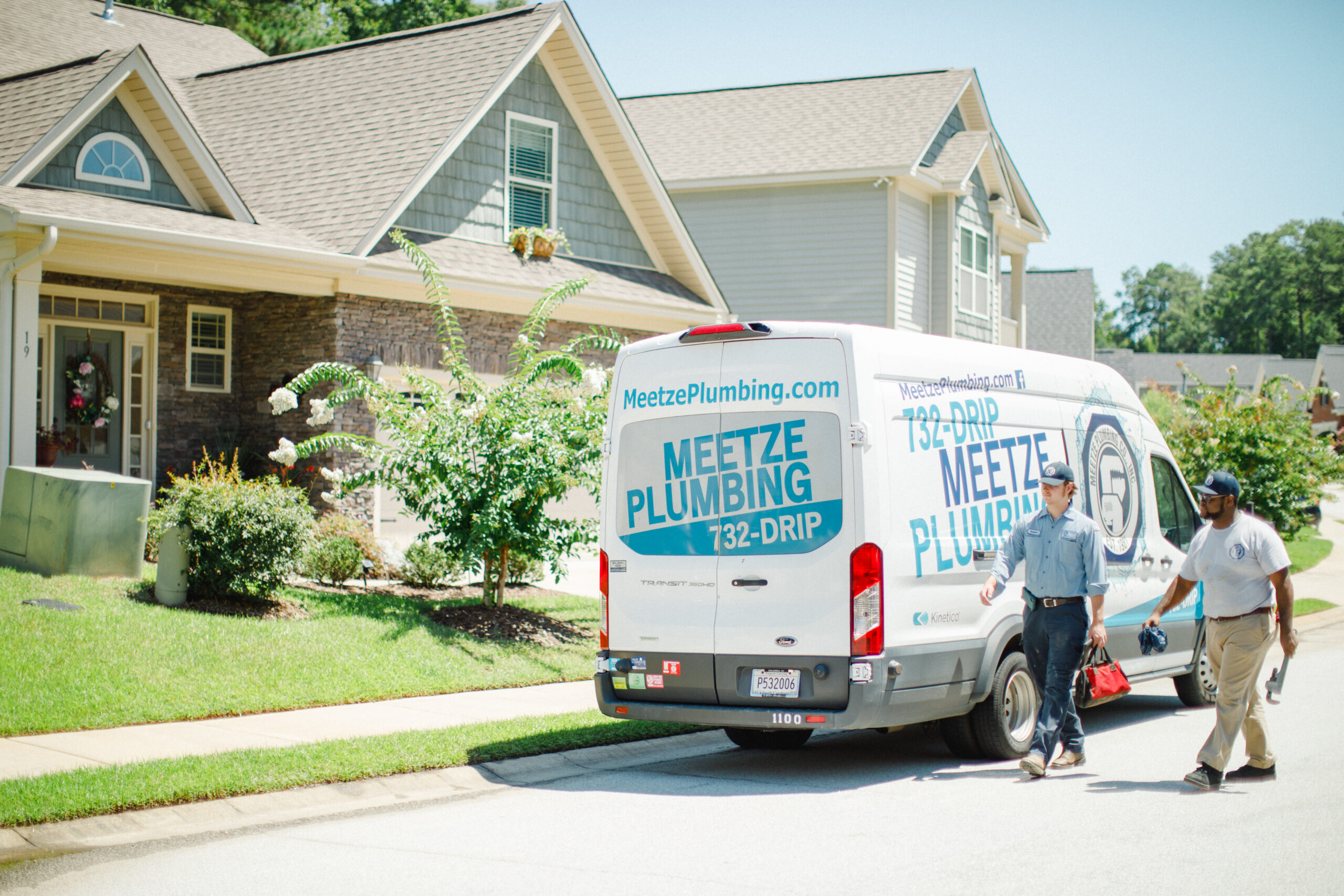
If you suspect a gas leak in your home, act immediately. If you smell gas, leave the house without delay. Do not turn lights on or off, use appliances, light a flame, use the garage door opener, or call from inside the home. Once you are outside and away from the building, call South Carolina Gas (SCE&G) at 1-800-815-0083.
After the utility company has cleared the scene, contact Meetze Plumbing for professional gas leak detection, gas line repair, or a gas line inspection.
If you’re researching how to detect a gas leak in Columbia, SC, knowing the warning signs can help you respond quickly and safely. Older homes throughout Shandon, Five Points, Earlewood, the historic district, and neighborhoods near the Congaree River often have aging gas lines, fittings, and appliance connections that may be more susceptible to leaks as they deteriorate over time.
Signs of a Gas Leak in Your Home
The Smell of Rotten Eggs or Sulfur
Natural gas has no odor by itself. Utilities add mercaptan, which creates the rotten egg smell most people associate with a natural gas leak and helps homeowners detect a gas leak before it becomes a more serious safety hazard.
A faint odor still deserves immediate action. Do not wait for the gas leak smell to become stronger. If you suspect a leak, taking steps to detect a gas leak and responding quickly can help protect your home and family.
A Hissing or Whistling Sound Near Gas Lines or Appliances
A hissing sound near a gas stove, furnace, water heater, gas meter, or wall where a gas line runs points to escaping gas.
You may not smell it before you hear it. Leave the home and call the utility from outside.
Dead or Discolored Vegetation in the Yard
A patch of dead grass, yellow plants, or dying shrubs in an otherwise healthy yard points to an underground leak.
Bubbling in Standing Water
Bubbles rising from puddles, drainage areas, or standing water near the gas meter point to gas escaping below the surface.
This sign is easier to see after heavy rain, especially in flood-prone areas near the Congaree River.
Physical Symptoms Indoors
Gas leak symptoms can include dizziness, nausea, headaches, fatigue, and breathing discomfort. In some cases, physical symptoms may be one of the first signs that help homeowners detect a gas leak, especially if there is no obvious odor present.
If multiple people begin feeling sick inside the home and symptoms improve after leaving the property, treat the situation as a gas leak in home emergency. Evacuate immediately and contact SCE&G or emergency services for assistance.
What to Do If You Suspect a Gas Leak
- Do not touch electrical switches, lights, fans, outlets, appliances, or thermostats.
- Do not use a phone inside the home.
- Do not light matches, candles, cigarettes, or any open flame.
- Leave the home immediately and keep doors open as you exit.
- From a safe place outside, call SCE&G at 1-800-815-0083.
- Stay outside until the utility clears the scene.
- After clearance, call a licensed plumber for gas leak detection and repair.
Suspect a gas leak? Contact Meetze Plumbing after the utility has cleared the property.
What Not to Do During a Gas Leak
Do not search for the source yourself. Do not move appliances. Do not restart pilot lights. Do not open or close windows if doing so keeps you inside longer. Do not assume the odor will pass.
Gas safety depends on distance, utility clearance, and licensed repair work.
Common Causes of Gas Leaks in Columbia Homes
Aging Gas Lines and Connections
Corrosion, loose fittings, and deteriorated joints are common sources of gas leaks. Iron and steel gas lines installed decades ago are especially vulnerable as they age, making it more important for homeowners to detect a gas leak before it creates a serious safety concern.
A proactive gas line inspection can help detect a gas leak early and provide older homes with a clearer understanding of the condition of their gas piping system.
Appliance Connection Failures
Gas stoves, dryers, furnaces, and water heaters use connector lines that loosen, crack, or wear out. Appliance moves and DIY installation work increase the risk.
If odor appears near an appliance, leave the home and follow the emergency steps above.
Ground Movement, Frost, and Flooding
Columbia cold snaps can cause soil contraction that places additional stress on underground gas lines. Flooding near downtown Columbia and throughout the Congaree River corridor can also impact buried gas lines, meter connections, and service entry points, making it important to detect a gas leak after severe weather or flooding events.
If floodwater reaches a gas meter, appliance, or any portion of your gas system, schedule a professional inspection before restoring normal use. An inspection can help detect a gas leak, identify damaged components, and confirm the system is operating safely.
Construction or Landscaping Damage
Digging without calling 811 creates gas line strike risk. Fence posts, drainage work, landscaping projects, and utility trenching all require proper marking before excavation.
Gas Leak Detection Services in Columbia, SC
After SCE&G clears the emergency scene, Meetze Plumbing locates the source and completes the needed gas line work. Professional gas leak detection uses pressure testing, electronic detection equipment, and full inspection of gas lines, fittings, valves, and appliance connections.
South Carolina requires licensed plumbers for gas line work. Meetze provides gas line services and plumbing services throughout Columbia, Irmo, Lexington, Elgin, and the Midlands.
For gas leak detection in Columbia SC, schedule a service call online.
Frequently Asked Questions
What does a gas leak smell like?
A gas leak smells like rotten eggs or sulfur because utilities add mercaptan to natural gas. A faint or intermittent odor still needs action. Do not search for the source by smell.
Can I detect a gas leak without smelling it?
Yes. Hissing sounds, dead vegetation, bubbling water, and physical symptoms point to a leak. A gas leak detector adds another safety check, but it does not replace a professional inspection.
What should I do first if I smell gas in my Columbia home?
Leave immediately. Do not touch switches, appliances, phones, or flames inside the home. Call SCE&G from outside, then call Meetze after the utility clears the scene.
How common are gas leaks in older Columbia neighborhoods?
Older homes in Shandon, Five Points, Earlewood, and the historic district have aging gas infrastructure. Slow leaks at joints, fittings, and appliance connections deserve inspection.
Does Meetze Plumbing handle gas leak detection in Irmo, Lexington, and Elgin?
Yes. Meetze serves Columbia, Irmo, Lexington, Elgin, and the Midlands with licensed gas line inspection, detection, repair, and replacement service.


"*" indicates required fields