


Sump Pump Not Working? Troubleshooting Tips for Columbia Homes
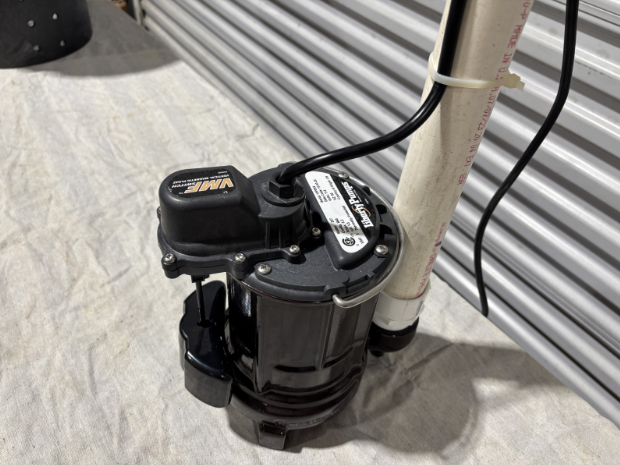
When a heavy storm rolls through Columbia and your sump pump is not working, it gets your attention fast. Water starts rising, the pump stays quiet or runs without clearing anything, and now you’re trying to figure out what’s going wrong.
Sump pumps help protect homes from flooding, especially in areas near the Congaree River or low-lying parts of Columbia. This guide walks through common sump pump troubleshooting steps so you can understand what might be happening and when it’s time to call for help.
Why a Working Sump Pump Matters for Columbia Homes
A sump pump is designed to move water away from your home before it becomes a problem.
- Helps prevent basement or crawl space flooding
- Moves groundwater away from the foundation
- Protects flooring, storage, and structural areas
In Columbia, heavy rainfall and storm runoff can put extra pressure on drainage systems. When a sump pump is not working, those conditions can lead to water buildup quickly.
Start Here: Quick Troubleshooting Steps
Before assuming the system has failed, start with a quick check.
- Make sure the pump has power
- Check the breaker or GFCI outlet
- Look at the float switch to see if it is stuck
- Check the discharge pipe for visible clogs
- Listen for unusual sounds
Power issues and clogs are some of the most common reasons a sump pump stops working.
Common Reasons Your Sump Pump Is Not Working
No Power to the Pump
If nothing happens when the pump should turn on, power is often the issue.
- Tripped breaker
- GFCI outlet needs to be reset
- Loose or disconnected power cord
Electrical interruptions are a frequent cause, especially during storms.
Float Switch Is Stuck or Broken
The float switch tells the pump when to turn on.
- Debris in the sump pit can block movement
- The float can get stuck in one position
- Wear over time can affect function
If the float does not move freely, the pump may not activate when water rises.
Clogged Pump or Discharge Pipe
Blockages can stop water from moving through the system.
- Debris blocking the intake
- Sediment buildup inside the pit
- Discharge line clogged or restricted
This is a common reason for sump pump problems, especially in areas with older systems.
Pump Runs but Doesn’t Remove Water
If the pump is running but water stays in place, there is a deeper issue.
- Discharge pipe blockage
- Airlock in the line
- Worn internal components
These situations often lead to your sump pump not pumping water even though the system appears to be active.
The Pump May Be Worn Out
Sump pumps do not last forever. Most systems have a lifespan of around 10 years.
- Signs of wear include:
- Frequent cycling
- Loud or unusual noises
- Inconsistent operation
If your system is older, it may be time to consider repair or replacement.
Signs It’s Time to Call a Plumber for Your Sump Pump
Some issues go beyond basic troubleshooting.
- The pump will not turn on at all
- Water is rising and not being removed
- Electrical concerns are involved
- The system fails repeatedly
In these situations, a professional inspection is the safest next step. A plumbing inspection can identify the root of the problem and prevent further damage.
If your sump pump is not working during a storm or showing repeated issues, it is time to bring in a professional.
Schedule Sump Pump Repair in Columbia
Sump pump issues are easier to manage before they turn into flooding problems.
Meetze Plumbing provides sump pump services and full plumbing service in Columbia, helping homeowners stay ahead of problems instead of reacting to them.
We serve homes across Columbia, including Irmo, Lexington, and Elgin, as well as neighborhoods near Lake Murray and along I-20, I-26, and I-77.
If your sump pump is not working or you are dealing with ongoing issues, schedule online or call us (803) 590-8908 to have your system checked before the next storm.
FAQs
Why is my sump pump not turning on?
Common causes include power issues, a stuck float switch, or electrical problems.
Why is my sump pump running but not pumping water?
This can happen when there is a clog, airlock, or internal wear preventing water from moving out.
How do I know if my sump pump needs replacement?
Frequent issues, unusual noises, and age are all signs that replacement may be needed.



"*" indicates required fields