


Common Causes of Noisy Water Pipes in Your Columbia, SC Home
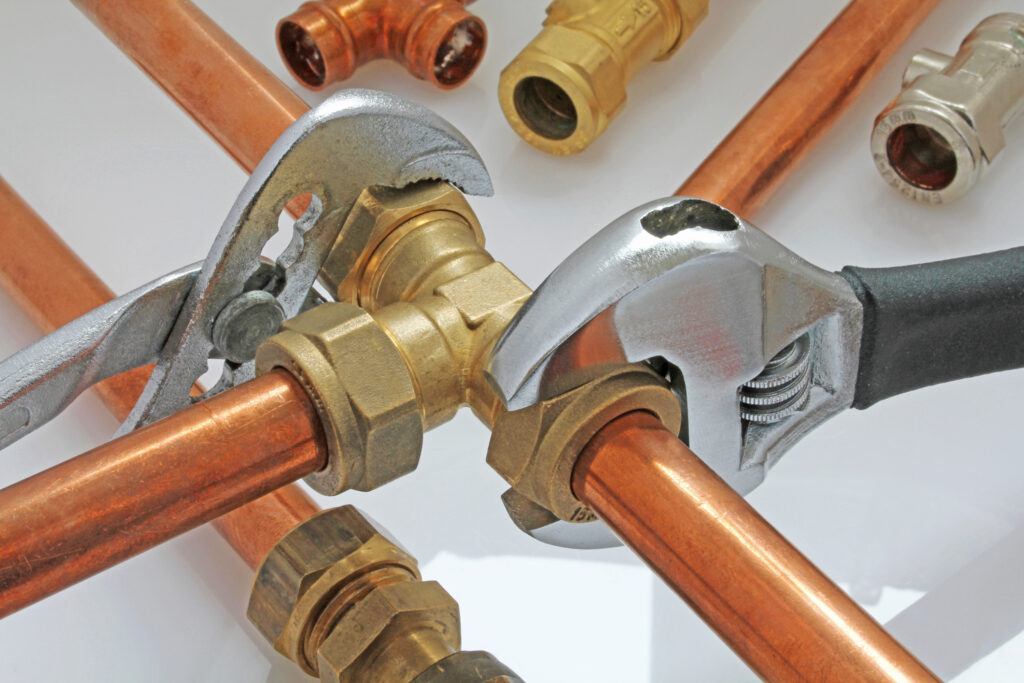
Water pipes are an essential part of any home plumbing system, but nobody wants to be able to hear theirs. If your water pipes are making loud noises in your Columbia, SC home, this is a sure sign that something has gone wrong.
To address the noise, it’s important to know what caused it. Our plumbing experts at Meetze Plumbing have put together this guide to common causes of noisy water pipes.
Loose Pipe Straps
Another common cause of noisy water pipes is loose pipe straps or hangers. Over time, the hardware that secures your plumbing pipes to the walls or ceilings may wear down or loosen. When this happens, the pipes can vibrate or rattle as water flows through them, resulting in a clanging or rattling noise.
Corrosion & Aging
As your plumbing system ages, pipes may corrode or deteriorate, leading to various issues, including noise. Corroded or damaged pipes can develop leaks or produce a creaking or groaning sound as water flows through them.
If your plumbing system is old, it may be time to consider a comprehensive inspection and potential pipe replacement to address these issues.
Sediment Buildup
Sediment buildup in your water heater can also lead to noisy pipes. As water heaters heat water, sediment from the water supply can settle at the bottom of the tank. This sediment can trap heat, causing the water to boil and create bubbles.
When these bubbles rise, they can produce a popping or rumbling sound that travels through your plumbing system.
Hiring a plumber to flush and maintain your water heater can help prevent sediment buildup.
High Water Pressure
High water pressure can put excessive stress on your plumbing system, causing noisy pipes as water rushes through at an unnaturally high speed. If your water pressure exceeds the recommended levels, it can lead to various problems, including leaks, damage to appliances, and noisy pipes.
To address water pressure issues, install a pressure-reducing valve (PRV) if you don’t already have one. A PRV will regulate the water pressure, ensuring it stays within a safe range.
Air Bubbles & Pockets
Sometimes, noisy pipes are simply the result of air trapped within the plumbing system. When air pockets get trapped in the pipes, it can create a gurgling or squealing sound as water flows past the pockets of air.
This issue is more common in older plumbing systems and may require a professional plumber to bleed the air from the pipes.
Water Hammer
One of the most frequent culprits behind noisy water pipes is a phenomenon known as water hammer. A water hammer occurs when the flow of water in your plumbing system suddenly stops or changes direction.
This abrupt change in water flow creates a shockwave that travels through the pipes, resulting in loud banging or hammering sounds. This can be caused by various factors, such as quickly closing a faucet, toilet valve, or a malfunctioning water pressure regulator.
To address water hammers, a professional plumber can install water hammer arrestors or expansion tanks. These devices can absorb the shockwaves, preventing the noisy reverberations through your plumbing system.
Frequently Asked Questions About Water Pipes Making Noise
Why are my water pipes making noise?
Water pipes making noise is usually caused by one of several common issues — water hammer, high water pressure, loose pipe straps, air pockets, sediment buildup in your water heater, or aging and corroded pipes. Each cause produces a different type of sound, which can help narrow down the problem.
What does it mean when pipes make a banging noise?
Banging or hammering sounds are almost always water hammer. This happens when water flow suddenly stops or changes direction, sending a shockwave through your pipes. A plumber can install water hammer arrestors or an expansion tank to absorb the shock and stop the noise.
Why do my pipes rattle when water is running?
Rattling pipes are typically caused by loose pipe straps or hangers. When the hardware securing your pipes to walls or ceilings loosens over time, the pipes vibrate as water flows through them. A plumber can resecure them quickly.
Can high water pressure cause noisy pipes?
Yes. When water pressure is too high, water rushes through your pipes at an excessive speed, which creates noise and puts stress on the entire system. Installing a pressure-reducing valve (PRV) can bring pressure back to a safe level and quiet things down.
Why are my pipes making a gurgling or squealing sound?
Gurgling or squealing usually points to air trapped inside your plumbing system. Air pockets cause turbulence as water flows past them. This is more common in older homes and typically requires a plumber to bleed the air from the pipes.
Why do I hear a popping or rumbling sound from my pipes?
Popping or rumbling sounds often originate from your water heater, not the pipes themselves. Sediment settles at the bottom of the tank over time, trapping heat and causing water to boil and bubble. Flushing your water heater regularly can prevent this.
When should I call a plumber for noisy pipes in Columbia, SC?
If your water pipes making noise is a persistent problem, or if you notice it alongside other warning signs like leaks, low water pressure, or discolored water, it’s time to call a professional. Meetze Plumbing serves Columbia and the Midlands — contact us at (803) 732-3747 to schedule a service visit.
Call Meetze Plumbing at (803) 732-3747 to schedule plumbing services.


"*" indicates required fields