


How to Winterize Outdoor Faucets and Hose Bibs in Columbia, SC
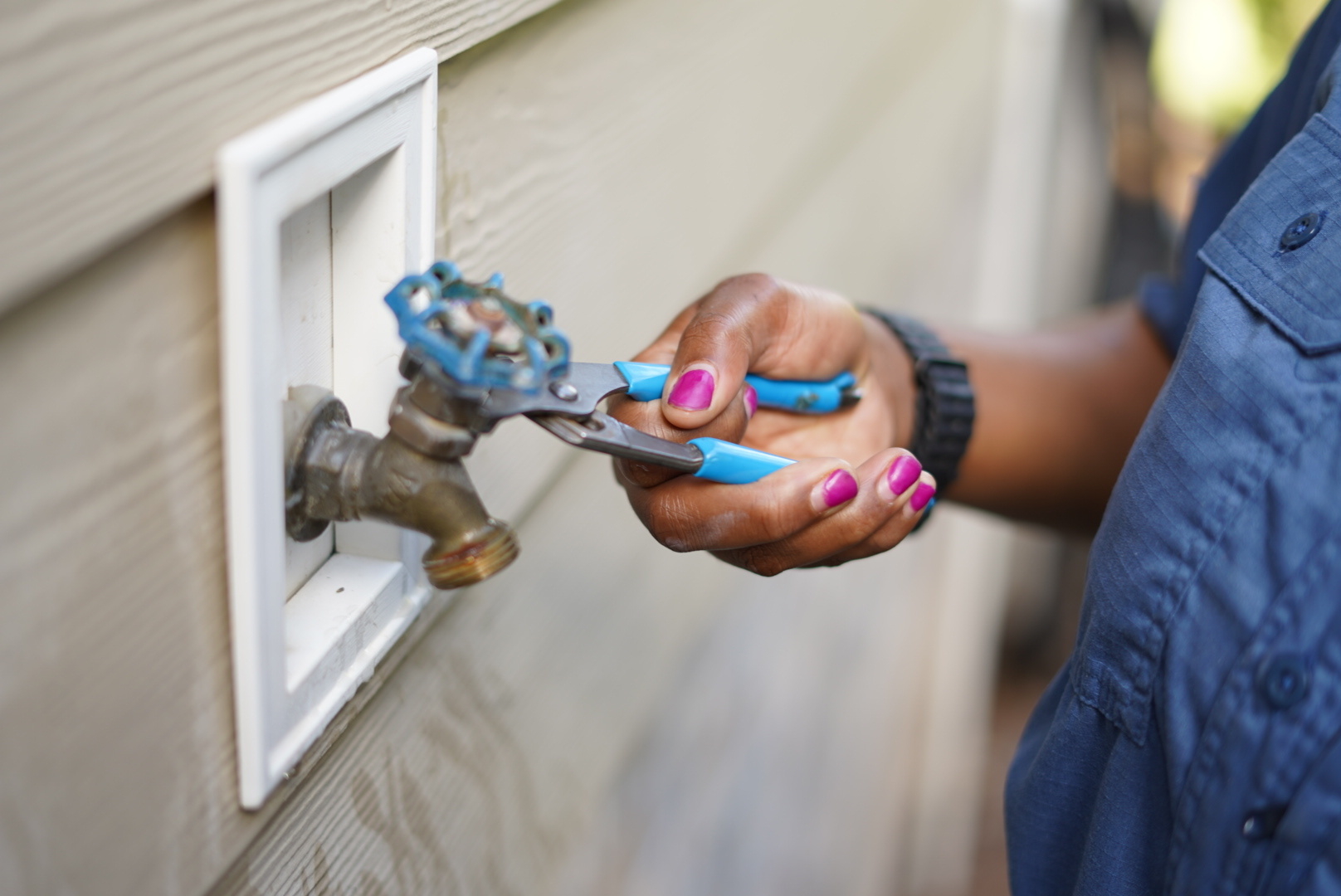
In Columbia and across the Midlands, winter usually doesn’t last long. Most days stay mild, and that makes it easy to forget about outdoor plumbing. The problem is the cold snaps. One or two freezing nights are often enough to cause damage if outdoor faucets and hose bibs aren’t protected.
Winterizing outdoor faucets is a simple way to prevent leaks and broken pipes. It doesn’t take much time, and it can save you from dealing with water damage once temperatures warm back up. For homeowners who prefer to handle basic maintenance themselves, this is a good place to start.
Why Outdoor Faucet Winterization Is Important
Outdoor faucets are exposed to cold air. When temperatures drop below freezing, any water left inside the faucet or connected pipe can freeze. As water freezes, it expands. That pressure can crack the pipe behind the wall, even if the faucet itself looks fine.
In Columbia, frozen outdoor faucets are often missed until spring. By then, the damage has already happened. Turning the faucet on after winter can reveal a leak inside the wall or crawl space.
Outdoor faucet winterization helps prevent:
- Cracked pipes behind exterior walls
- Hidden leaks that show up later
- Water damage inside the home
- Emergency plumbing calls after a cold snap
Even mild freezes can cause problems, especially in homes that aren’t built for long stretches of cold weather.
What You’ll Need Before You Start Winterizing
Before you begin, it helps to have a few basic items ready. Most of these are easy to find and inexpensive.
You may need:
- Outdoor faucet covers
- Pipe insulation (if pipes are accessible)
- A screwdriver or wrench
- Access to the indoor shutoff valve, if your home has one
Not every home has a separate shutoff for outdoor faucets. If you’re not sure where yours is, that’s something to check before cold weather arrives. Learn more valuable winter plumbing tips for the winter.
How to Winterize Your Outdoor Faucets (Step by Step)
Winterizing outdoor faucets doesn’t require special tools or experience. The steps below cover the basics for most homes in the area.
Disconnect and Drain Garden Hoses
Start by disconnecting all garden hoses. Leaving hoses attached is one of the most common mistakes homeowners make. Water can stay trapped in the hose and faucet, which increases the chance of freezing.
After removing the hose, let the faucet drain completely.
Shut Off the Water Supply (If Available)
Some homes have an indoor shutoff valve for outdoor faucets. If your home has one, turn it off before freezing temperatures arrive.
Once the valve is closed, go back outside and open the faucet to drain any remaining water from the line.
Drain Remaining Water from the Faucet
After shutting off the water, leave the outdoor faucet open. This allows any leftover water to drain out instead of sitting inside the pipe.
If water continues to drip slowly, that’s usually fine. The goal is to reduce pressure and standing water.
Install an Outdoor Faucet Cover
Once the faucet is drained, install a faucet cover. These covers help block cold air and reduce exposure during overnight freezes.
Outdoor faucet covers are especially helpful in Columbia, where freezes are short but sudden.
How to Winterize Hose Bibs Properly
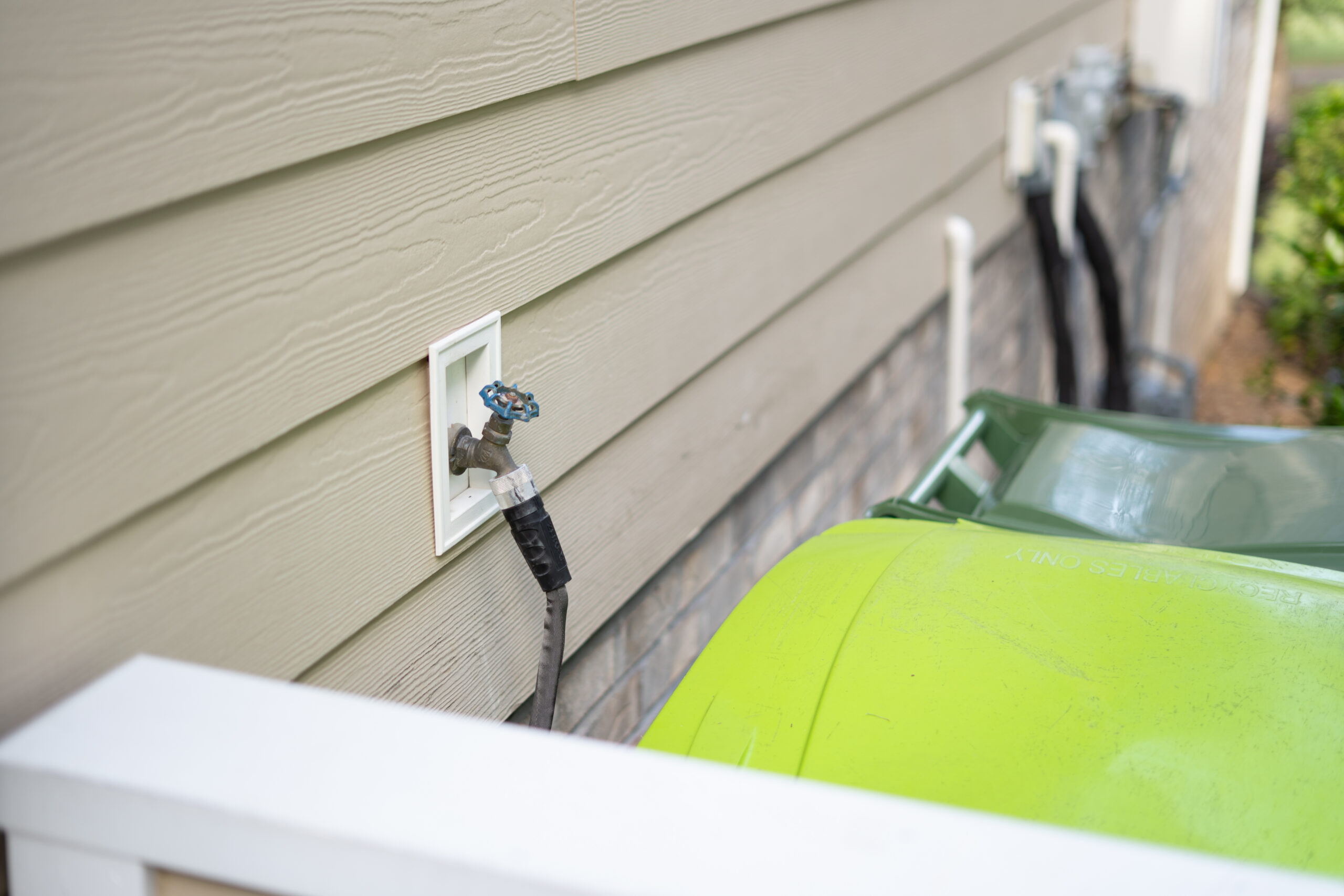
Not all hose bibs are the same. Older homes often have standard hose bibs, while newer homes may have frost-free versions.
Standard hose bibs need full winterization, including shutting off the water and draining the line.
Frost-free hose bibs are designed to reduce freezing risk, but they still benefit from basic care. Removing hoses and using covers helps protect the valve and surrounding pipe.
In older homes, hose bibs are often connected to pipes that run through crawl spaces or exterior walls. These areas lose heat faster and should be checked carefully.
Common Mistakes to Avoid
Winter plumbing problems often happen because small steps are skipped.
Common mistakes include:
- Leaving hoses attached to outdoor faucets
- Skipping faucet covers
- Assuming frost-free hose bibs don’t need attention
- Forgetting to drain water after shutting off supply
- Waiting until temperatures are already freezing
These issues are easy to avoid with a little preparation.
When to Call a Plumber for Help
DIY winterization works for many homes, but it’s not always enough.
You should call a plumber if:
- You can’t locate an outdoor shutoff valve
- You see signs of previous freeze damage
- Pipes are already leaking or cracked
- Your home has older plumbing or limited insulation
Getting help early can prevent frozen outdoor faucets from turning into larger repairs.
Protect Your Plumbing Before Cold Weather Hits
Winterizing outdoor faucets and hose bibs is one of the easiest ways to prevent plumbing damage during Columbia’s cold snaps. A few simple steps can protect pipes that are otherwise exposed to freezing temperatures.
Taking care of outdoor faucet winterization before the weather changes helps avoid surprise leaks and water damage later.
If you need help winterizing your plumbing or want a professional to check your outdoor faucets, call Meetze Plumbing at (803) 590-8908. We’re happy to help homeowners across Columbia and the Midlands prepare for colder weather. For more related content visit our blog and read more about how to properly fix frozen pipes.
FAQs
Do outdoor faucets freeze in Columbia, SC?
Yes. Even short freezes can cause outdoor faucets to freeze, especially when water is left inside the line.
Should I winterize frost-free hose bibs?
Yes. Frost-free hose bibs still need hoses removed and benefit from covers during cold snaps.
What happens if I forget to winterize an outdoor faucet?
Water inside the pipe can freeze and cause cracks. Damage may not be visible until the faucet is used again.
Can a plumber winterize outdoor faucets for me?
Yes. A plumber can winterize outdoor faucets and check for existing damage or risk areas.


"*" indicates required fields