


How to Fix a Running Toilet: A Step-by-Step Guide for Columbia Homeowners
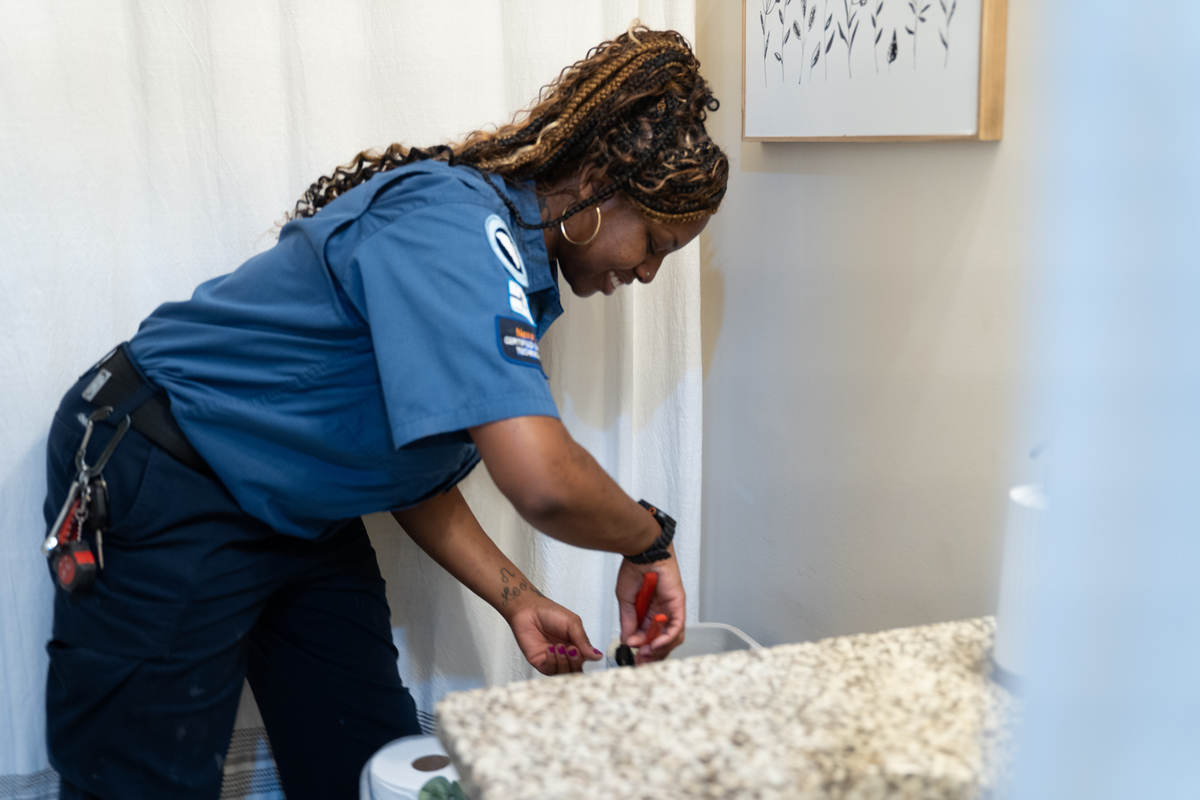
If you’re wondering how to fix a running toilet, the first step is identifying why water continues flowing into the bowl after every flush. In most Columbia homes, the problem is caused by a worn toilet flapper, a lift chain that’s become disconnected or tangled, a fill valve that no longer shuts off properly, or a water level that’s set too high inside the tank. These are some of the most common toilet repair issues and, in many cases, can be fixed with basic tools and replacement parts.
Before attempting any repairs, remove the toilet tank lid and watch what happens during and after you flush. Pay attention to whether the flapper seals completely, whether the chain catches on anything, whether the fill valve continues running after the tank refills, and whether water is flowing into the overflow tube. Identifying the source of the problem first makes it much easier to choose the correct repair and avoid replacing parts that aren’t causing the issue.
If your toilet continues running after replacing common components, or if you’re noticing multiple plumbing problems throughout your Columbia home, the issue may require professional plumbing diagnosis to prevent unnecessary water waste and higher utility bills.
Common Reasons Your Toilet Won’t Stop Running
Most toilets continue running because one part inside the tank is no longer sealing or shutting off the water correctly.
A worn flapper is the most common cause. Over time, the rubber seal hardens or warps, allowing water to leak from the tank into the bowl.
Another common reason is a fill valve that doesn’t shut off after the tank refills. You might also find the chain is tangled, too short, or too long, preventing the flapper from closing completely.
Finally, check the water level inside the tank. If it’s high enough to spill into the overflow tube, the toilet will continue running until the level is lowered.
Tools You’ll Need to Replace a Toilet Flapper
Most running toilet repairs require only a few simple items:
- Adjustable wrench or pliers
- Towel or sponge
- Replacement flapper
- Gloves
Having a replacement flapper available before you begin saves time if the old one is worn out.
Fix Your Running Toilet in 4 Simple Steps
1. Check the flapper.
Turn off the water supply behind the toilet and flush to empty most of the tank. Lift the flapper and inspect it for cracks, warping, or mineral buildup. If it doesn’t create a good seal, complete a toilet flapper replacement, turn the water back on, and test the toilet.
2. Check the chain.
The chain should have a small amount of slack when the flapper is closed. If it’s too tight, the flapper won’t seal. If it’s too loose, it can become tangled under the flapper. Adjust the chain and flush again.
3. Check the fill valve.
If water continues running after the tank fills, the fill valve may need adjustment or fill valve replacement. Follow the adjustment instructions for your valve. If adjusting it doesn’t stop the water, replacing the valve is usually straightforward.
4. Check the water level.
The water should stop about an inch below the top of the overflow tube. Adjust the float until the water reaches the correct level, then flush again to confirm the problem is gone.
Test the toilet after each step. In many cases, you’ll solve the problem before reaching the final adjustment.
When It’s Time to Call a Plumber
Some running toilets have problems that go beyond a simple adjustment.
Schedule professional toilet repair if:
- The toilet keeps running after trying the steps above.
- The tank or bowl has a visible crack.
- Water is leaking around the base of the toilet.
- The same problem keeps coming back.
- Internal parts have been replaced several times without solving the issue.
If the toilet is older and beginning to develop multiple problems, a new toilet installation is the better long-term solution than continuing to replace individual parts.
For issues affecting more than one plumbing fixture, professional plumbing repair can identify larger problems before they become expensive repairs.
A Local Note for Columbia Homeowners
Older homes in Columbia, especially around the historic downtown district, sometimes have aging toilets with worn internal parts that have been repaired several times over the years. In those cases, a running toilet may be one of several signs that the fixture is reaching the end of its service life.
Keeping up with routine plumbing maintenance helps identify worn components before they begin causing leaks or constant running.
If you’d like to avoid future toilet clogs as well, read our guide on how to prevent a stopped-up toilet.
Don’t Let Your Toilet Run – Get It Fixed Today!
A toilet that runs continuously can waste hundreds of gallons of water each day, increasing your water bill and putting unnecessary wear on the toilet’s internal parts.
If the DIY steps above don’t stop the problem, Meetze Plumbing is ready to help. We’ll identify the cause, explain your options, and get your toilet working properly again.
Schedule Online or Call Today.
Running Toilet FAQs
Why does my toilet keep running after I flush?
The most common causes are a worn flapper, a fill valve that won’t shut off, a chain that’s out of adjustment, or a water level that’s too high. Each of these problems can usually be identified by removing the tank lid and watching what happens after you flush.
Does a running toilet actually waste that much water?
Yes. A running toilet can waste hundreds of gallons of water each day, depending on the size of the leak. Fixing the problem quickly helps reduce unnecessary water use and lower your utility bill.
Can I fix a running toilet myself?
In many cases, yes. Replacing a flapper, adjusting the chain, or lowering the water level are simple repairs that most homeowners can complete with basic tools.
How do I know if I need a new flapper or a new fill valve?
If water leaks into the bowl after the tank fills, the flapper is usually the problem. If water continues entering the tank and flowing into the overflow tube, the fill valve is the more likely cause.
How much does it cost to fix a running toilet?
The cost depends on what’s causing the problem and whether parts need to be replaced. A professional inspection is the best way to determine the repair needed and provide accurate pricing.


"*" indicates required fields